There is Life after a Stroke says Windsor’s Stroke Community Navigator
24-6-2021
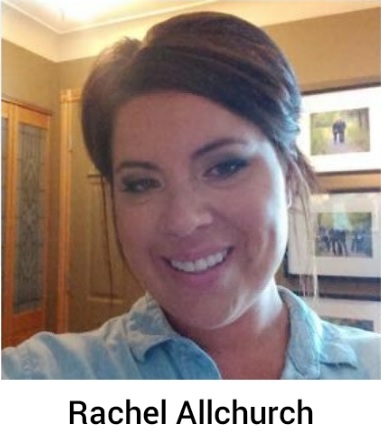
The Stroke Community Navigator (SCN) at the District Stroke Centre in Windsor plays a unique role for stroke survivors - to make sure they do more than just survive.
“There is life after stroke,” says Rachel Allchurch who is tasked with improving the post stroke experience for survivors after discharge from hospital. For the past five years, she has worked with the inpatient rehab team at Hotel-Dieu Grace Healthcare to identify barriers and challenges to ensure patients are released with appropriate supports and follow-up.
A stroke is life-altering but Allchurch points out with the proper rehabilitation and follow-up, patients can lead productive lives.
But she admits the transition can be challenging, both physically and socially.
“My role is to ensure we ease the transitions from acute care to rehab, rehab to home and to prevent readmissions,” she says.
She is introduced to patients upon their admission to the inpatient rehabilitation program and begins the conversation about transition and discharge destination to identify any assistance the patient requires, and to connect them to the proper supports, stroke support groups, as well as caregiver supports.
According to Allchurch, the biggest barrier facing a stroke patient is the lack of social support at home particularly if they live alone and do not have family nearby. Patients need to be assessed based on their current functional abilities and address any discrepancies that could make the transition to home more difficult. About 25 per cent of stroke patients are under the age of 65 which poses different challenges including a loss of income, employment and driving capabilities.
On average, Allchurch sees four new stroke patients a week, patients who may be fearful of what life will look like post stroke.
“If we can get them to an inpatient bed, and have them work with people who have stroke expertise, then their outcomes greatly improve,” she says.
Allchurch was a speaker at the 52nd Annual Canadian Association of Neuroscience Nurses meeting this month where she highlighted the importance of following the Canadian Best Practice Guidelines which can improve transitions and decrease family and patient stresses resulting in better outcomes.
In addition to easing the transition, Allchurch checks in with stroke survivors and screens for post-discharge complications, providing education and referrals as appropriate. She works closely with community agencies to ensure that programming is appropriate and timely to serve the needs of stroke patients.
She says some patients require follow-ups for two to three weeks after discharge depending on their recovery and their supports at home, while others require follow-ups for up to 12 months.
But the door is always open.
“They have my contact information,” she adds. “If something comes up or there are changes such as falls or families notice a decline, let me know so that things don’t get out of hand.”